Wedding Planning
Crafting the perfect wedding seating plan
Build a wedding seating plan top-down: top table first, then family, then friend groups, then plus-ones and singles. Method, rules and trade-offs.
A wedding seating plan works best built top-down in a fixed order: top table first, then immediate family tables, then friend groupings, then plus-ones and singles last. Built this way a 70-guest plan takes an afternoon. Built guest-by-guest, the same plan takes a fortnight and still needs redoing.
This guide sets out the method, the table shapes that affect it, and the rules that prevent late-stage rework.
Before you start
You need four things in front of you:
- Final RSVP list with confirmed numbers
- The venue''s floor plan with table positions and numbers
- A note of fixed points: top table position, dancefloor, bar, doors
- Dietary requirements and accessibility needs per guest
Do not start until RSVPs are 95% in. Building on assumed numbers means rebuilding.
Step 1: confirm table shape and capacity
Two formats dominate UK weddings:
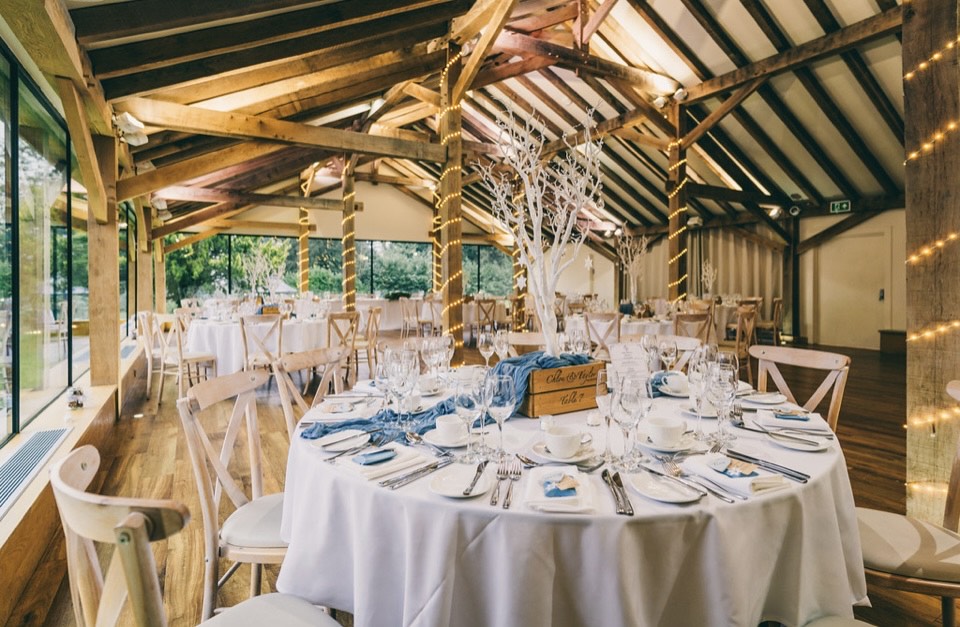
- Round tables of 8 to 10: easy conversation, everyone can see the room, classic look.
- Long trestle tables of 12 to 20: communal feel, fewer table boundaries, harder for guests at opposite ends to talk.
Mix formats only if the room layout supports it. Confirm capacity per table with the caterer before placing anyone, because plate, glass, and centrepiece space changes what fits.
Step 2: place the top table
Traditional UK top table, left to right facing the room: chief bridesmaid, groom''s father, bride''s mother, groom, bride, bride''s father, groom''s mother, best man. Modern alternatives:
- Sweetheart table: just the couple. Frees parents to host their own tables.
- Family top table: couple plus parents and siblings.
- Wedding party top table: couple plus best man, maid of honour and partners.
Place this table first; everything else orbits it.
Step 3: place the immediate-family tables
Closest to the top table: parents (if not on the top table), grandparents, siblings not on the top table, and partners. If divorced parents are seated separately, give each their own table of similar size and equal proximity to the top table. This avoids any reading of favoured sides.
Step 4: build friend groupings
Work outward from the top table by closeness, not by age. Existing friend groups stay together. Mixing groups to help people meet rarely works at a wedding; people came to see the couple, not network.
For unfamiliar combinations, pick a connector: one guest at the table who knows two or more of the others.
Step 5: plus-ones, singles, and colleagues
Plus-ones sit with their partner''s friend group. Do not create a singles table; pair single guests with a friend group they know at least one person in. Colleagues from work usually sit together unless they have asked otherwise.
Step 6: children
Two workable approaches:
- With parents: simplest, parents manage their own.
- Dedicated children''s table with activities, supervised by a hired nanny: works best for six or more children aged 4 to 10.
Babies in carriers go with parents. Teenagers usually want to sit with cousins, not parents.
Step 7: accessibility and dietary
Lock in before finalising:
- Wheelchair users on the end of a table, near a clear route to the loos
- Older guests away from the band and speakers
- Hearing aid users on a quieter side of the room
- Severe allergies (nut, gluten, shellfish) flagged on the table plan handed to the kitchen
Rules that prevent late rework
- Number tables, do not name them, until the plan is final. Renaming a table moves one card; renumbering moves all of them.
- Build the plan on paper or in a spreadsheet, not in your head.
- Leave one floating seat per 30 guests for late changes.
- Print the final plan twice: one for the venue, one for the registrar.
How to display the plan on the day
Use a single large board at the entrance to the wedding breakfast room, with names listed alphabetically and a table number against each. Per-table seating cards go on the table itself, not on the board. Station two staff to direct guests in the first five minutes.
Related planning reading
The seating plan is one of the last stages of the wider planning sequence; see the step-by-step wedding planning guide for where it fits. For where the meal itself sits in the day, see what is a wedding breakfast.
Keep reading
More wedding planning ideas
Planning a wedding here?